
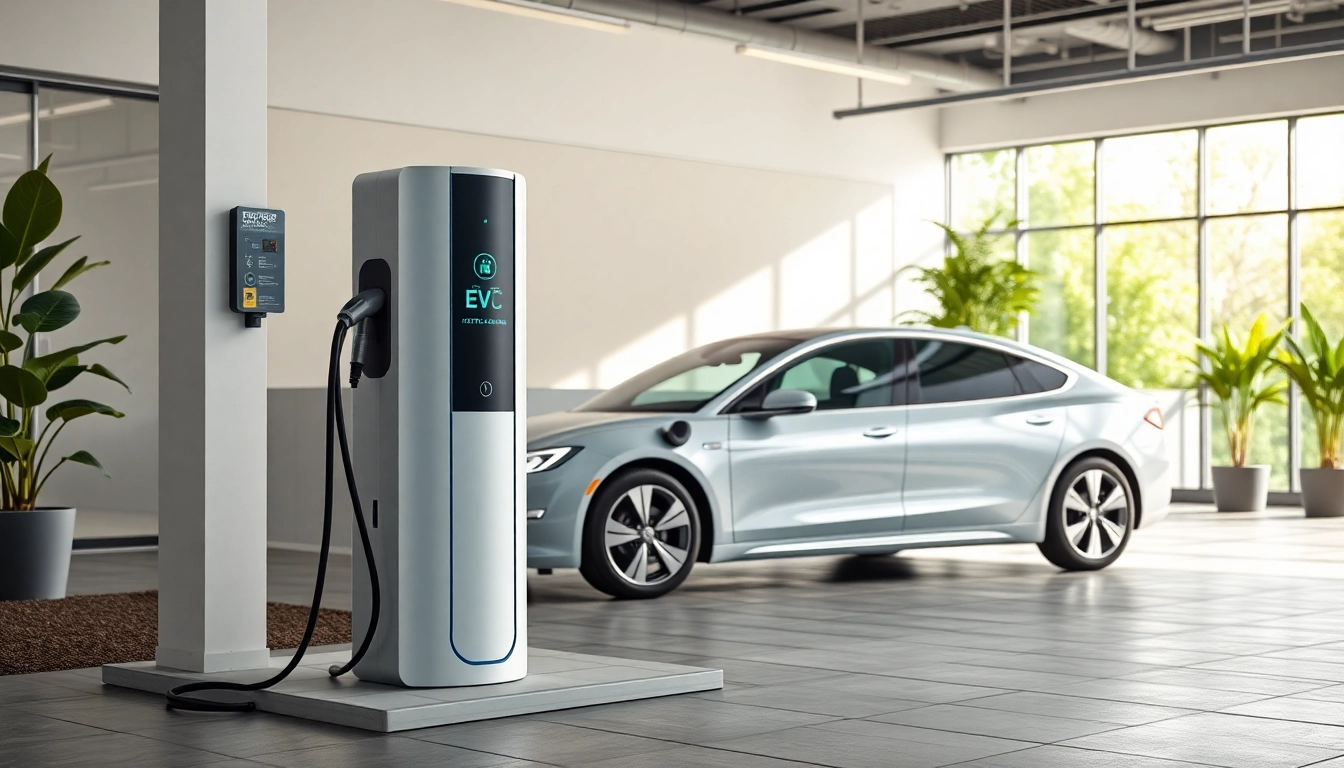
Understanding the Importance of EV Charging Installation
As the world embraces electric vehicles (EVs), the need for effective EV Charging Installation has become increasingly critical. Businesses that recognize this trend position themselves not just as environmentally conscious but also as forward-thinking leaders in their industries. Establishing efficient charging stations is no longer just a luxury; it is a necessity for remaining competitive. This section explores the significance of EV charging installation, highlighting both the brand benefits and the market dynamics driving this movement.
Benefits of EV Charging for Businesses
Implementing EV charging stations offers a plethora of advantages for businesses. Firstly, it enhances the customer experience. As EV usage becomes commonplace, customers appreciate the convenience of charging while they shop or work. This not only attracts new customers but also encourages repeat visits, ultimately boosting revenue. Secondly, having charging stations demonstrates a company’s commitment to sustainability, thus improving brand reputation and appeal among environmentally-conscious consumers.
Furthermore, businesses can leverage government incentives designed to promote greener initiatives. Many regions offer tax rebates, grants, or low-interest loans to companies investing in EV infrastructure, significantly offsetting installation costs. This not only helps in financial planning but can also fast-track full returns on investment.
Market Trends in Electric Vehicle Charging
The electric vehicle market is growing rapidly, driven by advancements in battery technology, increased environmental awareness, and a greater variety of EV models. As manufacturers race to produce more efficient electric vehicles, the demand for accessible charging stations will only rise. A recent industry report suggests that public and private charging stations will need to increase exponentially to meet the projected growth of EV ownership. Consequently, businesses that establish charging stations early will benefit from increased foot traffic and loyal customer bases.
Regulatory Requirements and Compliance
With the rise in EV adoption, regulatory frameworks are evolving to ensure safety and accessibility in charging installations. Businesses must stay abreast of local, national, and international compliance standards which can include electrical codes, zoning laws, and safety regulations. Failing to meet these standards could result in fines or operational delays. Consulting with experts during the planning phase ensures compliance while maximizing the potential of the EV charging infrastructure.
Types of EV Charging Stations
Level 1 vs. Level 2 Charging Stations
Understanding the different types of EV charging stations is fundamental when planning an installation. Level 1 charging stations utilize a standard 120-volt outlet, making them the simplest and most cost-effective option. They are typically suited for residential use or locations with extended parking durations. However, charging times are considerably longer, making them less practical for businesses that require quicker turnaround times.
On the other hand, Level 2 charging stations operate on 240 volts, allowing for faster charging times – generally between 4 to 6 hours for a full charge. These stations are ideal for commercial settings where turnover is essential, such as retail outlets and commercial parking lots. The investment in Level 2 stations may be higher, but the quicker charge times can lead to a rapid return on investment through increased customer traffic.
Fast Charging Solutions Explained
For businesses looking to provide maximum utility, fast charging solutions, also known as DC fast chargers, are an excellent option. These advanced systems can recharge an EV to 80% in under 30 minutes, catering to customers who need a quick turnaround. Although the initial investment is significant, the potential for attracting customers and creating a revenue stream through charging fees can justify the costs. Fast chargers are particularly valuable in transit stations, highways, and urban areas where customers expect swift service.
Public vs. Private Charging Installations
Selecting between public and private charging installations is essential for tailoring your business strategy. Public installations allow broader access to drivers but may require more extensive infrastructure and ongoing maintenance. They can serve as a marketing tool, drawing visitors to your location. Conversely, private installations typically cater to company fleets or employee use. They facilitate operational efficiency and can significantly reduce fuel costs for businesses relying on transportation for logistics.
Planning Your EV Charging Installation
Assessing Site Requirements
Before initiating an EV charging installation project, it’s crucial to assess the site requirements thoroughly. Factors include evaluating the electrical infrastructure to support charging stations, determining the space available for installation, and understanding local zoning laws. Companies should also consider their target audience; high-density areas may require more charging points to meet demand, while suburban settings could focus on fewer stations with longer charging times.
Choosing the Right Equipment
Selecting the appropriate charging equipment is vital for the successful integration of EV charging stations. Options vary from traditional wall-mounted chargers to sophisticated networked systems that allow for remote monitoring and usage analytics. Businesses should conduct a needs analysis to align their choice of chargers with expected vehicle types and charging speeds. Additionally, reliability, warranty, and support services should feature prominently in the decision-making process.
Cost Considerations and Budgeting
Budgeting for an EV charging installation involves several factors beyond just the price tags of equipment. Installation costs can significantly fluctuate based on site preparation, electrical upgrades, and the type of chargers selected. Moreover, ongoing operating costs such as electricity consumption, maintenance, and network fees should be incorporated into the financial model. By projecting usage patterns, businesses can anticipate potential returns on investment, making it easier to justify expenditures.
Implementation Process of EV Charging Installation
Step-by-Step Installation Guide
The implementation of an EV charging installation involves several critical steps, starting from planning to execution:
- Conduct Site Assessment: Evaluate site logistics, electrical capacity, and compliance with local regulations.
- Select Equipment: Choose the appropriate level and type of charging stations based on customer needs and budget.
- Prepare Electrical Infrastructure: Upgrade existing wiring and layout as necessary to accommodate new systems.
- Install Charging Stations: Work with qualified contractors to ensure proper installation and safety compliance.
- Testing: Conduct rigorous testing of installed chargers to ensure performance and reliability.
- Launch and Promote: Announce the new charging stations through marketing efforts to attract users.
Best Practices for a Smooth Installation
To facilitate a smooth installation process, consider these best practices:
- Engage experts early in the planning phase to avoid unforeseen issues.
- Ensure clear communication among all stakeholders including contractors, suppliers, and management.
- Prepare your site thoroughly to minimize downtime during installation.
- Incorporate scalability into your design to allow for future upgrades.
- Document all processes and maintain records for compliance and future reference.
Maintaining Your Charging Stations
Regular maintenance of EV charging stations is essential for ensuring reliability and longevity. This includes routine inspections, software updates, and cleaning the hardware to prevent wear and tear. Establishing a maintenance schedule helps in prolonging the life cycle of the charging stations and ensuring they remain operational for customers. Furthermore, monitoring utilization rates allows businesses to optimize performance and make informed decisions about scaling the infrastructure in the future.
Maximizing the Benefits of EV Charging Stations
Engaging Customers Through Charging Services
Offering charging services can significantly enhance customer engagement. Businesses can convert the charging process into an opportunity for customers to explore products or services while they wait. Implementing loyalty programs or incentives for EV drivers, such as discounts while charging, encourages repeat visits and customer retention. Furthermore, integrating charging solutions with mobile apps can provide real-time updates on charging status, leading to a seamless customer experience.
Monitoring and Upgrading Your Charging Infrastructure
Monitoring the performance of charging stations is crucial for understanding user preferences and optimizing operations. Utilizing advanced software solutions allows businesses to track usage patterns, assess performance, and identify maintenance needs. As technology advances, upgrading equipment may be necessary to maintain efficiency and retain customer interest. Keeping pace with developments in battery technology and charging standards ensures that businesses remain competitive in the fast-growing EV market.
Evaluating Performance and Impact
Measuring the success of EV charging installations goes beyond usage metrics. Businesses should evaluate the overall impact on customer traffic, sales performance, and brand perception. Collecting feedback from users can also provide insights into how to improve services further. Conducting regular assessments against initial KPIs helps businesses stay aligned with their strategic goals while adapting to the evolving landscape of electric vehicles.
Frequently Asked Questions
What types of EV charging stations are available?
There are three primary types of EV charging stations: Level 1 (AC), Level 2 (AC), and DC fast chargers. Level 1 is the slowest, while DC fast chargers provide the quickest charge times.
How much does it cost to install EV charging stations?
The total cost depends on the number of chargers, type (Level 1, Level 2, or DC), site preparation, and electrical upgrades but typically ranges from a few thousand to tens of thousands of dollars.
Do I need permits for EV charging installations?
Yes, most regions require permits for EV charging installations to ensure compliance with local codes and regulations. It’s essential to consult with local authorities.
Can I install charging stations in my business parking lot?
Yes, businesses can install charging stations in their parking lots, provided they adhere to local zoning laws, permits, and electrical codes.
How can I attract customers to my charging station?
Enhance customer experience through convenient charging facilities, loyalty programs, promotions, and integrating digital services like mobile apps for real-time updates.