
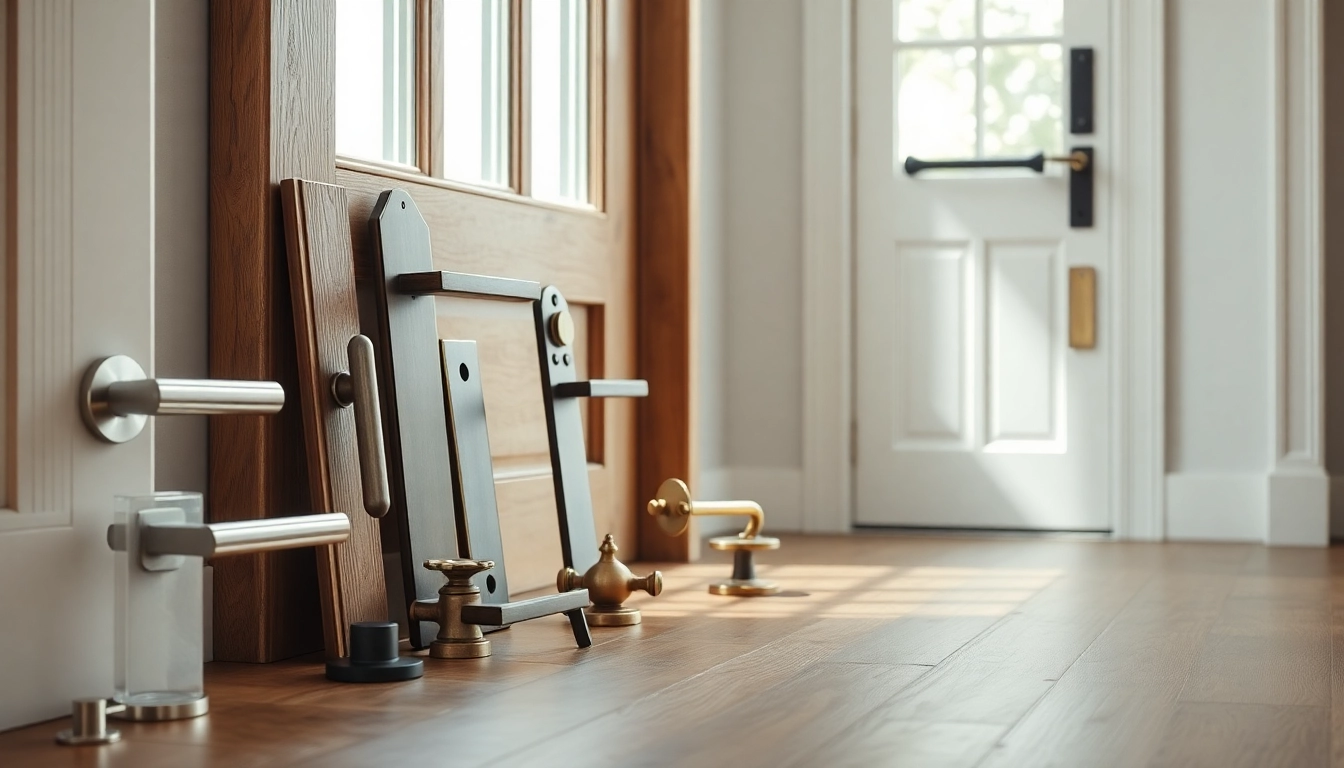
Understanding Door Handle Styles
The door handle is more than just a functional element of a home; it’s a key design feature that reflects personal taste and enhances the overall aesthetic of your interiors. From sleek modern finishes to ornate traditional styles, the range of options available makes it essential to understand different door handle styles.
Types of Door Handle
Door handles primarily come in two types: levers and knobs. Lever handles provide a more ergonomic option that is often easier to use, especially for individuals with limited hand strength. Knobs, while classic, may require a firmer grip. Beyond these basic types, there are various subtypes worth considering:
- Mortise Handles: Often used in traditional settings, mortise handles fit into a pocket cut into the door, offering both security and durability.
- Flush Handles: Ideal for sliding doors, flush handles are often used with cabinets or pocket doors due to their seamless look.
- Pull Handles: Typically larger and designed for heavier doors, pull handles are favored for their aesthetic appeal and are often found on front doors.
- Privacy Handles: These types integrate secure locking mechanisms for bathrooms or bedrooms, ensuring privacy without sacrificing style.
Material Considerations
The material of a door handle greatly influences its durability, appearance, and maintenance requirements. Common materials include:
- Stainless Steel: Known for its strength and resistance to rust, this material offers a modern look and requires minimal upkeep.
- Brass: A popular choice for its warm hue, brass handles can develop a beautiful patina over time, although they are more susceptible to tarnishing.
- Zinc Alloy: Economical and versatile, zinc alloy handles can mimic the appearance of more expensive materials and are often used in decorative designs.
- Wood: Wooden handles provide a unique, organic touch, making them suitable for rustic or traditional interiors, but they may require more care to prevent damage from moisture.
Design Trends to Consider
As with any home décor element, door handle design trends evolve. Currently popular trends include:
- Minimalism: Clean, simple lines in matte black or chrome finishes emphasize a no-fuss, contemporary aesthetic.
- Vintage Styles: Antique finishes and intricate shapes can add character, appealing to those who favor vintage decor.
- Eco-Friendly Options: Sustainable materials and manufacturing processes are becoming more important to environmentally-conscious consumers.
- Customization: Personalized and bespoke handles are gaining popularity, offering a way to uniquely express individual style.
Functionality of Door Handles
A door handle should offer more than just aesthetic appeal; its functionality is paramount. Understanding how to choose a handle that meets both form and function is essential for any home improvement project.
Ergonomics and Usability
Ergonomics plays a vital role in the usability of door handles. Selecting a handle that is comfortable to grip and easy to operate is crucial. For people with mobility challenges or arthritis, lever handles often provide a more accessible option than traditional knobs, which require twisting motion. Consider the following factors while choosing:
- Grip Size: Ensure the handle fits well in hand for ease of use.
- Lever Action: Look for smooth operation; check how much force is required to open the door.
- Height Placement: Ensure the handle is installed at an accessible height for all household members.
Locking Mechanisms Explained
Ensuring that a door handle meets security needs is essential. The type of locking mechanism you choose will depend on where the handle is being used.
- Single Cylinder Deadbolt: Common in front doors, this design secures with a key from the outside and a thumb turn on the inside.
- Electronic Locks: Offering keyless entry, these locks use codes or biometric verification for added security.
- Mortise Locks: Integrated into the door, these locks provide enhanced security but may require professional installation.
Best Practices for Installation
Installing a door handle may seem straightforward, but adhering to best practices can ensure durability and functionality. Follow these guidelines:
- Read Instructions: Always refer to the manufacturer’s instructions to ensure proper installation.
- Use the Right Tools: Basic tools like a screwdriver or drill may be required, depending on the handle’s design.
- Check Alignment: Ensure that the handle is level and that the latch aligns perfectly for smooth operation.
- Test Before Finalizing: Test the handle multiple times to ensure it operates correctly before securing it completely.
Choosing the Right Size for Your Door Handle
Size matters when it comes to door handle selection. The wrong size can compromise both functionality and aesthetics. Understanding standard dimensions and how to accommodate unique situations is crucial.
Standard Dimensions
Most residential door handles are manufactured to standard dimensions. Knowledge of these standard sizes helps ensure compatibility:
- Diameter: Typically, knobs range from 1-1/2 inches to 2-1/2 inches in diameter.
- Backset: Most doors will utilize a backset of either 2-3/8 inches or 2-3/4 inches, which is the distance from the edge of the door to the center of the handle.
Custom Sizes and Solutions
In cases where standard sizes won’t work, consider custom solutions. Custom door handle options can fit uniquely designed doors but may require consulting with a professional for precision measurements and installation.
Fitting for Different Door Types
Different door types pose various considerations when selecting a handle:
- Interior Doors: Generally have lighter handles since they serve less security function.
- Exterior Doors: Require more robust handles due to weather-related stresses and security considerations.
- Sliding Doors: Use more elongated handles which differ from traditional stationary doors.
Maintaining Your Door Handle
Regular maintenance of your door handle can extend its lifespan and maintain aesthetics. Here are key maintenance practices to keep in mind:
Cleaning and Care Tips
Different materials require specific care methods. Follow these general cleaning tips:
- Stainless Steel: Use mild soap and water, avoid abrasive cleaners.
- Brass: Polish with products specifically designed for brass finishes.
- Wood: Use a damp cloth and avoid soaking to prevent warping.
Common Issues and Fixes
Identifying and fixing common problems can help prolong the life of your door handle:
- Handle is Loose: Tighten screws to secure the handle properly.
- Sticking Handle: Check alignment and lubricate the mechanism if sticking occurs.
- Rust or Corrosion: Clean with vinegar or sandpaper, and treat with appropriate protective coating.
Signs It’s Time to Replace
Even with great care, your door handle might eventually need replacement. Here are signs to look for:
- Visible Damage: Cracks or pieces missing from the handle.
- Inconsistent Operation: Handle not opening smoothly or catching.
- Corrosion: Signs of rusting that cannot be cleaned off.
FAQs About Door Handles
What is the best material for a door handle?
Stainless steel is an excellent choice for durability and maintenance. Brass offers classic appeal but requires more upkeep. Choose based on design and functionality needs.
How to select the right size for a door handle?
Consider the door’s thickness and standard sizes. Ensure proper backset and alignment for seamless operation, matching them with your design preferences.
Can I install a door handle myself?
Yes, most door handles are designed for easy installation. Ensure you have the right tools and follow the manufacturer’s instructions carefully for best results.
How do I clean and maintain my door handle?
Regularly clean according to the material. For metal, use a mild cleaner; for wood, a damp cloth is best. Avoid products that might scratch or corrode.
What styles of door handles are available?
Styles vary widely including modern levers, traditional knobs, pull handles, flush types, and customizable handles. Choose based on your aesthetic and functional needs.