Understanding the Basics of Basement Renovation
Basements often serve as underutilized spaces in our homes, yet they hold immense potential for transforming living areas. With a touch of creativity and planning, a basement can be turned into a cozy haven, a functional workspace, or even a vibrant entertainment zone. The journey of a successful basement renovation begins with understanding its importance and possibilities.
Importance of Basement Renovation
Renovating your basement is not merely about creating extra square footage; it can significantly enhance the overall value of your home. Homebuyers are increasingly drawn to properties with finished basements as they symbolize versatility and increased livability. Moreover, it presents an opportunity to personalize an area that may otherwise feel neglected.
Additionally, a renovated basement provides several advantages, such as:
– Increased Usable Space: Not only does it add value, but it transforms a dark storage area into a functional living space.
– Energy Efficiency: Upgraded insulation and finishes can improve the overall energy efficiency of your home.
– Multifunctional Use: From a home office to a gym or guest suite, the possibilities are nearly endless.
For many, the basement becomes the heart of the home, catering to various needs and lifestyles.
Types of Basement Renovations
When it comes to renovating basements, homeowners have a variety of options to choose from. Here are some popular types of basement renovations:
1. Living Space: This includes creating a family room, game room, or even a home theater. The idea is to furnish it so that it feels inviting and spacious.
2. Guest Suite: By adding a bathroom and kitchen facilities, you can transform your basement into a comfortable living place for guests or rented space for income generation.
3. Home Office: Many people have shifted to remote work, so a dedicated home office in the basement can be attractive for maximizing productivity.
4. Entertainment Zone: Setting up areas for gaming, movies, or even a mini-bar can create a fun space for gatherings.
5. Storage Space: Even if you have utilities installed, it’s possible to make concealed storage solutions part of the design.
Understanding these types helps you tailor your renovation to align with your unique needs and lifestyle.
Assessing Your Space for Renovation
Before diving into a renovation, it’s essential to assess your basement space thoroughly.
– Evaluate Size and Layout: Consider how the space is currently laid out and how it flows. Open layouts often facilitate better use of the area.
– Check for Structural Issues: Investigate the foundation, walls, and flooring for any cracks or signs of water damage.
– Measure Ceiling Height: The height of your ceilings is a crucial consideration and may require adjusting your renovations plans.
– Explore Natural Light Sources: Identify windows or possibilities for added light sources to enhance the ambiance of the room.
Conducting a thorough assessment can spare you from future headaches, ensuring a smooth renovation process.
Planning Your Basement Renovation
Once you’ve understood the nuances of basement renovations, it’s time to plan the project. The success of a renovation hinges significantly on comprehensive planning.
Setting a Budget for Your Renovation
Establishing a budget early in the planning phase is crucial. Here are some key elements to consider:
– Materials and Appliances: High-quality materials are essential, but they can also be costly. Create a balance between quality and budget.
– Labor Costs: Whether hiring professionals or opting for a DIY project, labor can consume a large portion of your budget.
– Unexpected Expenses: Set aside at least 10-20% of your budget for unforeseen costs that may arise during the renovation.
Use a detailed spreadsheet to track your expenses; it creates transparency and helps you stay within your financial limits.
Hiring Professionals vs. DIY Renovation
Deciding between a DIY approach and hiring professionals can be challenging.
– Pros of DIY: Personalized projects, cost savings on labor, and satisfaction from completing the work yourself.
– Cons of DIY: Limited experience may lead to mistakes, and large-scale projects may require professional expertise.
On the other hand, hiring professionals can:
– Guarantee Quality: Experienced contractors bring a wealth of knowledge and skills to the project.
– Save Time: Professionals can often complete renovations much faster than individuals.
Employing professionals might come at a premium, but it can save time and stress down the line.
Essential Permits and Regulations
Always check local building codes before beginning your basement renovation. Different municipalities require specific permits for various aspects of the renovation, particularly concerning:
– Electrical Work: Establishing new wiring systems.
– Plumbing Modifications: During the installation of bathrooms or kitchens.
– Structural Changes: Alterations to walls or load-bearing components.
Securing permits can seem cumbersome, but it ensures the safety and legality of your renovation. Failure to obtain necessary permits can lead to fines or complications during selling.
Design Ideas for a Successful Basement Renovation
With your plans in place and the essentials identified, it’s time to explore some captivating design ideas that can elevate your basement renovation.
Popular Design Trends in Basement Renovation
Staying abreast of contemporary design trends can give your basement a modern and stylish look.
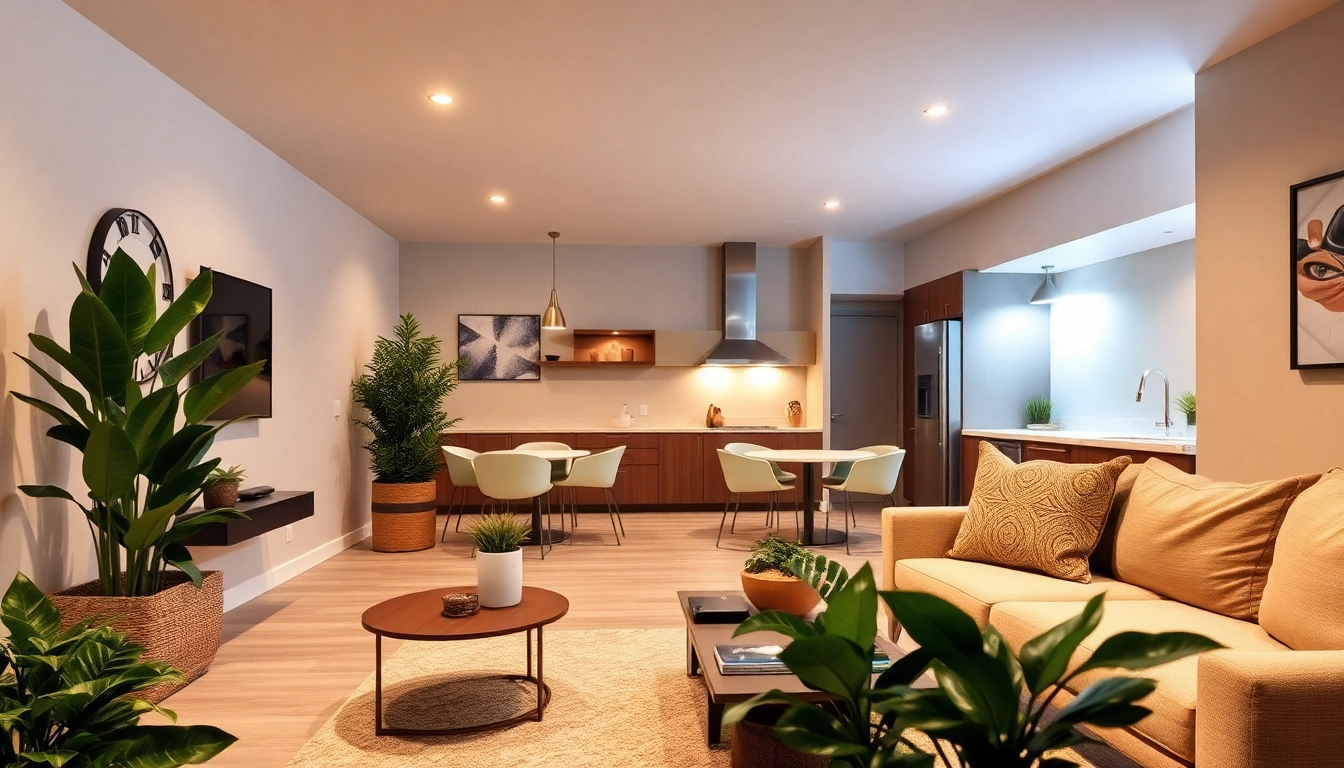
1. Open Layouts: Creating an open space that combines different functional areas can foster interaction and a family-friendly environment.
2. Lighting Solutions: Utilizing layered lighting can brighten up the space and give it an inviting atmosphere. Options include recessed, pendant, and task lighting.
3. Natural Elements: Incorporating materials like wood or stone can bring warmth and earthiness to a typically underground space.
4. Multi-Functional Spaces: Design elements that allow versatility, such as foldable furniture or movable partitions, keep the area flexible for various uses.
These modern designs can create a harmonious blend of style and function, transforming your basement into an enviable part of your home.
Maximizing Space and Light
Basements often have limited natural light. However, maximizing light and space can be achieved through innovative design:
– Light Colors: Using light colors on walls, ceilings, and floors can create an illusion of spaciousness.
– Mirrors: Strategically positioning mirrors can help reflect light and create depth in the room.
– Dedicated Windows: If your basement allows, consider adding or enlarging windows to let in more natural light.
Implementing such design strategies can significantly change the look and feel of your basement.
Choosing the Right Materials and Finishes
Selecting appropriate materials is crucial to ensure durability and aesthetics.
– Flooring Options: Choose moisture-resistant flooring materials like vinyl, tile, or treated hardwood suitable for basement conditions.
– Wall Finishes: Walls should be finished with mold-resistant paints and materials to deal with humidity.
– Insulation Choices: Insulating materials should not only retain heat but also prevent moisture intrusion.
Quality materials will reduce the need for repairs and enhance the basement’s overall appearance.
Challenges in Basement Renovation
Like any renovation project, basement renovations come with a set of challenges that homeowners need to navigate.
Dealing with Moisture and Insulation
One of the significant concerns in basements is moisture. To ensure your renovation is safe, consider the following:
– Proper Drainage: A drainage system can direct water away from your foundation.
– Insulation Solutions: Use insulated wall panels or foam boards to minimize condensation and improve energy efficiency.
Regular maintenance checks and performing moisture tests can prevent severe damage in the long run.
Overcoming Low Ceilings and Layout Issues
Many basements have low ceilings, which can make renovations challenging. Here are some strategies:
– Using Drop Ceilings: Installing a drop ceiling can enhance height significantly while providing a clean finish.
– Creative Design Solutions: Consider vertical storage solutions and decorative pillars to optimize the layout creatively.
Innovative design can turn this challenge into a unique feature of your basement.
Budget Overruns and Time Delays
Budgeting accurately is essential; however, unpredictable issues often arise, leading to cost overruns and time delays.
– Prioritize Planning: A thorough plan can aid in minimizing unexpected costs.
– Regular Communication: If working with contractors, keep open lines of communication to quickly address any identified issues.
Establishing a flexible timeline can also be beneficial while anticipating any possible delays.
FAQs About Basement Renovation
What are the key benefits of basement renovation?
Basement renovation increases usable space, enhances home value, and offers a chance to personalize your living area.
How long does a typical basement renovation take?
The timeline varies, but most basement renovations can take anywhere from a few weeks to several months, depending on the scope.
Do I need permits for my basement renovation?
Yes, permits are often required for structural changes, plumbing, and electrical work. Always check local regulations before starting.
How can I prevent moisture issues after renovation?
Proper insulation, ventilation, and drainage systems are essential to keep your basement dry and prevent future moisture problems.
What are some budget-friendly renovation ideas?
Consider simple updates like new flooring, fresh paint, and multifunctional furniture to enhance the appeal without breaking the bank.