
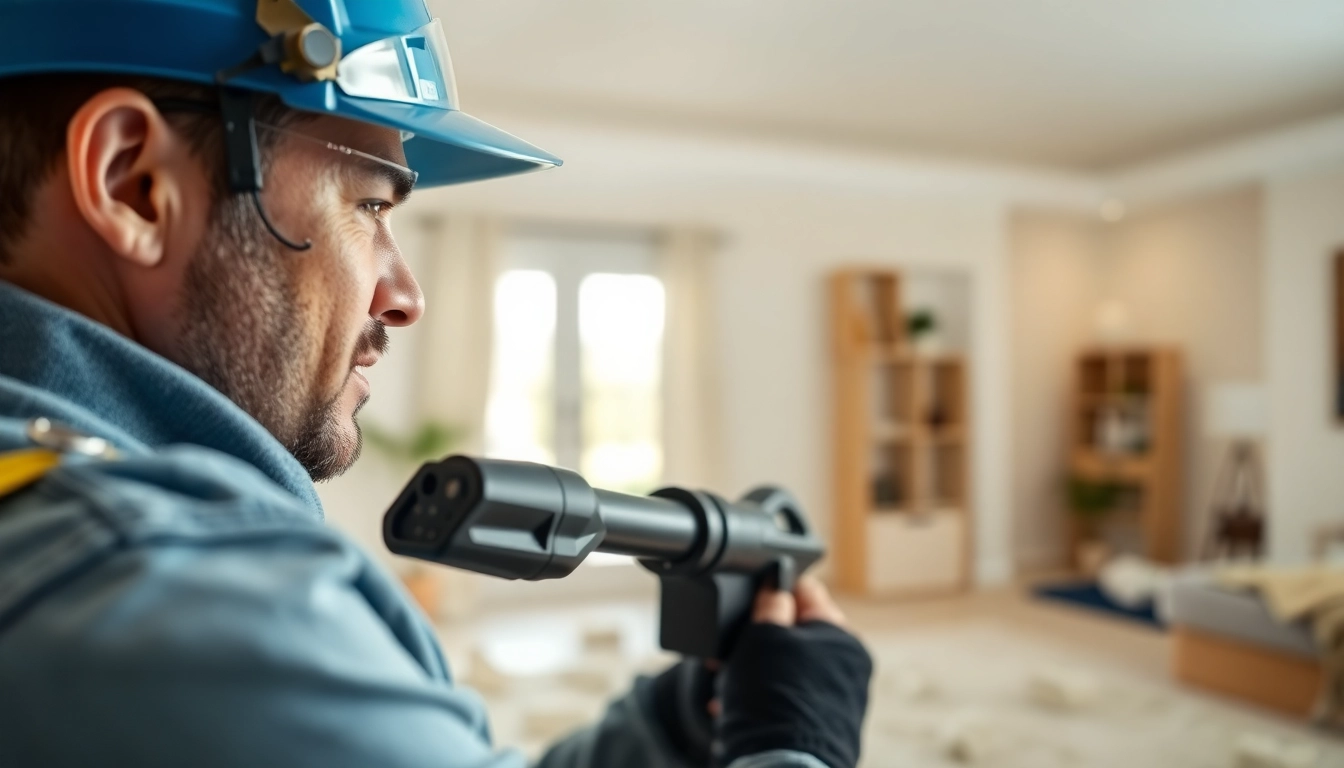
Understanding Spray Foam Removal Portsmouth
Spray foam insulation has gained popularity for its energy efficiency and superior insulation properties. However, the need for spray foam removal Portsmouth arises when this material needs to be replaced or removed due to various reasons. Whether driven by structural requirements, health concerns, or the desire for better insulation materials, understanding the nuances of spray foam removal is essential for homeowners.
What is Spray Foam?
Spray foam is a type of insulation made from a mixture of chemicals that, when sprayed, expand and harden into a solid foam. Its robust structure helps provide an airtight seal, making it an effective insulation solution for homes and buildings. There are two main types of spray foam: open-cell and closed-cell. Open-cell foam is lighter, less dense, and ideal for interior walls, while closed-cell foam is denser, providing moisture resistance and structural integrity, making it suitable for exterior applications.
Common Reasons for Removal
There are several reasons homeowners might seek spray foam removal. One common reason is mold and mildew growth, which can thrive in humid environments created by improperly installed foam. Another reason is the need for remodeling or renovations where structural changes require insulation removal. Additionally, sometimes homeowners discover that spray foam insulation doesn’t meet their specific insulation needs, necessitating a switch to different materials for improved energy efficiency and air quality.
Benefits of Professional Removal
Engaging professionals for spray foam removal has considerable advantages. Experts have the right tools and experience to handle the material safely, minimizing the risks associated with chemical exposure. Additionally, trained professionals can ensure that the underlying structures are not damaged during the removal process. Lastly, professional services often result in a more efficient and thorough job, guaranteeing that all residual foam is effectively removed, leaving the area ready for new insulation.
Preparing for Spray Foam Removal Portsmouth
Before initiating the removal process, proper preparation is crucial. This phase involves assessing the workspace, gathering necessary tools, and taking safety precautions to protect everyone involved.
Assessing the Area
Evaluating the area where spray foam is to be removed is the first step. Look for signs of water damage or mold in conjunction with the insulation. Understanding the extent of the foam application helps in planning the removal process efficiently. It’s essential to identify if the area has easy access or if there are structural complexities that may complicate removal.
Gathering the Right Tools
The next step involves gathering all necessary tools and equipment for effective removal. Essential tools generally include a utility knife, a reciprocating saw, and protective gear such as gloves, goggles, and respiratory protection. Additional tools like shop vacuums and scrapers may also be necessary to clear away residue after the foam is cut and removed.
Safety Precautions to Take
Safety is paramount during the spray foam removal process. Proper ventilation is essential to minimize exposure to harmful chemicals. All personnel involved should wear appropriate protective gear to safeguard against inhalation and skin contact with the foam and the chemicals released during the process. It is also advisable to remove furniture and personal items from the area to avoid contamination and damage.
The Spray Foam Removal Process
Understanding the steps involved in the spray foam removal process is crucial for efficient execution and avoids unnecessary complications. The process should be carried out methodically to ensure the best results.
Step-by-Step Guide to Removal
- Preparation: Ensure that all tools are on hand and safety measures are in place.
- Cutting the Foam: Use a utility knife or a reciprocating saw to cut away the foam. Start at the edges and gradually work your way in.
- Removing Residual Sections: Once the bulk of the foam is cut away, carefully remove any remaining pieces with scrapers or your hands while wearing gloves.
- Cleansing the Area: After the foam is removed, vacuum any dust and small particles from the area to ensure cleanliness.
- Assessing for Damage: Inspect the underlying structures for any potential damage or moisture issues that may need addressing before installing new insulation.
Post-Removal Clean-Up Procedures
Following the removal, it is essential to clean the site thoroughly. The first step is to vacuum up any foam remnants and dust generated during the removal process. Dispose of all foam and debris according to local regulations to prevent environmental contamination. Additionally, inspecting for any signs of mold or damage after cleaning ensures that all is ready for potential reinsulation.
Handling Residual Chemical Exposure
Even after foam removal, residual chemicals may still pose a risk. Ensure that the area is well-ventilated to allow any lingering chemicals to dissipate. Utilize air purifiers or fans to aid in ventilation, and consider employing professional cleaning services that specialize in hazardous material removal for a comprehensive approach. Moreover, maintaining a safe distance until the area is deemed free from harmful fumes is prudent.
Aftercare and Maintenance
Once the spray foam has been removed and any necessary repairs have been made, it’s essential to consider aftercare and maintenance to prevent future challenges.
Protecting Against Future Problems
After a successful removal process, homeowners should focus on protecting their properties against future insulation issues. This may include installing vapor barriers to reduce moisture infiltration and selecting high-quality insulation materials that meet current energy efficiency standards. Regular inspections of insulation, especially in moisture-prone areas, are crucial for identifying potential problems early on.
Maintaining Healthy Indoor Air Quality
Indoor air quality can improve greatly following the removal of compromised spray foam insulation. However, to maintain this quality, ensure proper ventilation throughout your home, and consider using air filtration systems to eliminate pollutants. Routine maintenance checks should also involve monitoring humidity levels, as excessively moist environments can give way to mold growth.
When to Call a Professional
Despite the DIY inclination many homeowners have, some situations necessitate professional intervention. If the foam installation was extensive or if there are signs of structural or moisture issues, it is wise to call experts. Additionally, individuals who are uncertain about handling hazardous materials or who are dealing with compromised building integrity should seek professional services for both safety and expertise.
Frequently Asked Questions
How long does spray foam removal take?
Typically, spray foam removal can take a few hours to a day, depending on the size of the area and complexity of the foam application.
Is spray foam removal safe for my home?
Yes, when done by professionals, spray foam removal is safe and ensures the integrity of your home remains intact throughout the process.
What are the costs involved in spray foam removal?
Costs can vary based on the size and complexity of the area requiring removal. Getting a detailed estimate before starting is advisable.
Will I need to vacate my home during the process?
In many cases, it is advisable to leave the premises during the removal process to avoid exposure to chemical odors and ensure safety.
Can I do spray foam removal myself?
While it’s possible to do the removal yourself, hiring professionals is recommended to ensure safety, effectiveness, and thoroughness in the process.