Introduction to Fly Screen for Patio Doors
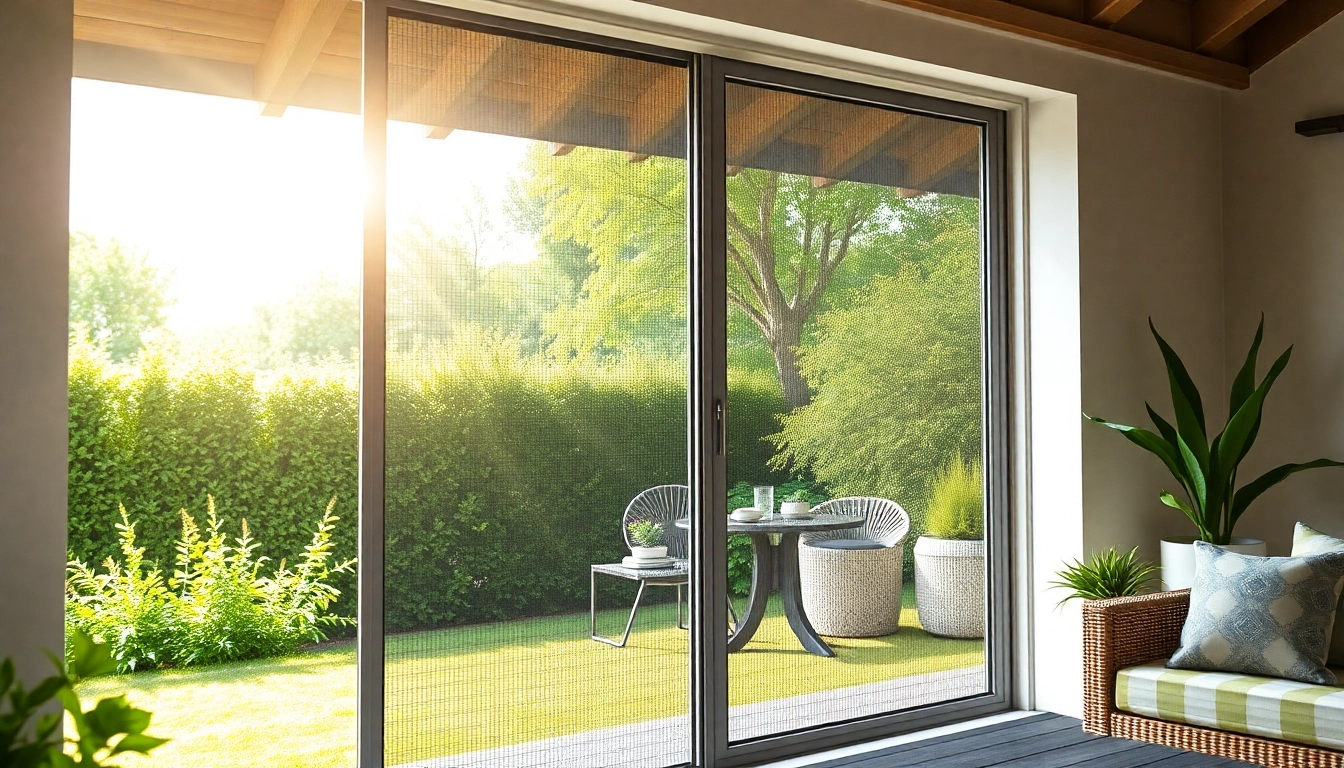
The allure of patio doors lies in their ability to combine indoor and outdoor living, offering expansive views and easy access to gardens and backyards. However, this openness often comes with the challenge of unwanted pests infiltrating your living space. Installing a fly screen for patio doors is a practical solution that allows you to enjoy fresh air while keeping insects at bay. This comprehensive guide will explore the various aspects and benefits of fly screens tailored specifically for patio doors.
Why Choose a Fly Screen?
Fly screens provide a host of advantages that make them an essential component for any patio door, especially in regions prone to insect activity. They serve as a barrier against flies, mosquitoes, and other pests while allowing ventilation and natural light to flow freely into the home. Here are some reasons to consider:
- Health Benefits: By keeping insects outside, you lower the risk of bites and the transmission of diseases carried by these pests.
- Comfort: Fresh air circulation helps maintain a pleasant indoor climate, making your home more comfortable.
- Energy Efficiency: By allowing you to open your doors without inviting pests in, fly screens reduce the need for air conditioning during mild weather.
- Easy Access: Many modern fly screens feature options like retractable designs that seamlessly blend with your home’s decor while providing accessibility.
Key Features of Modern Fly Screens
Modern fly screens have evolved considerably, boasting various features designed to enhance usability and durability. Key features include:
- Variety of Styles: Fly screens come in fixed, retractable, and even magnetic formats that cater to different needs and tastes.
- Durability: High-quality materials such as fiberglass, aluminum, or polyester are used to ensure longevity and resilience against harsh weather elements.
- Customizable Options: Many manufacturers offer customizable sizes and colors, allowing you to match the screen with your patio door aesthetics.
- Ease of Maintenance: Modern materials often resist stains and are easy to clean, ensuring that your fly screen maintains its appearance and functionality over time.
Suitability for Different Patio Designs
Whether your home features sliding, bi-fold, or French doors, there is a fly screen solution to fit every patio design. Each type has unique installation processes and considerations:
- Sliding Doors: Perfect for busy households, retractable fly screens that slide open and closed easily complement the functionality of sliding doors.
- Bi-Fold Doors: Utilizing mesh panels that match the door's design, these screens allow for maximum openness while effectively blocking insects.
- French Doors: Magnetic screens are particularly useful for French doors, allowing swift passage while keeping flies at bay.
Types of Fly Screens Available
Retractable Fly Screens
Retractable fly screens are a popular choice for patio doors, offering flexibility and effectiveness. These screens can be drawn across the opening when needed and retracted out of sight when not in use, meaning they do not disrupt your view or aesthetics:
- Ease of Use: Simply slide or pull the screen to cover the opening, engaging a simple locking mechanism for security.
- Space-Saving: Their retractable design keeps your living areas clutter-free.
- Durable Mechanisms: Most retractables feature sturdy mechanisms that can withstand regular use without jamming or failing.
Fixed and Magnetic Options
Fixed and magnetic fly screens offer different benefits and applications. They are suitable for homeowners seeking a permanent solution or those who desire a more budget-friendly option:
- Fixed Screens: These screens remain in place and provide a full barrier against pests. They are ideal for rooms that remain open without frequent foot traffic.
- Magnetic Screens: Magnetic screens are easy to install and provide hands-free access. They consist of mesh panels that seal when closed but allow easy passage for people and pets.
Custom Solutions for Unique Spaces
For those with unconventional patio door sizes or locations, custom fly screen solutions can be designed to fit any specific requirement. Custom options include:
- Unique Dimensions: Whether you have oversized doors or irregular shapes, tailored solutions ensure full coverage.
- Color Matching: Create a seamless look by matching the fly screen color and frame to your patio door.
- Integration with Home Automation: Advanced solutions can be integrated into your home security or automation system to enhance convenience.
Installation Guide for Fly Screen for Patio Doors
Measuring Your Patio Door
Proper measurement is crucial for the successful installation of a fly screen. Follow these steps to ensure accuracy:
- Determine the Type of Screen: Decide whether you need a fixed, magnetic, or retractable screen based on your lifestyle and door type.
- Measure Width and Height: For sliding doors, measure the width at the top, middle, and bottom, and record the shortest width. Measure height similarly for the vertical dimensions.
- Account for Frame Thickness: Make sure to include the door frame in your measurements if applicable, as this affects the screen setup.
Step-by-Step Installation Process
While installation methods may vary based on the specific fly screen type, the following general guidelines apply:
- Prepare Your Door Area: Clean and clear the door area to facilitate easy installation.
- Follow Manufacturer Instructions: Refer to the provided installation manual for specific details about attachments and mechanisms.
- Attach the Screen: Use screws or adhesive strips as recommended. Ensure all edges are firmly secured and seals are tight to prevent gaps.
- Test Mechanism: If using retractable screens, check that the sliding mechanism functions smoothly.
- Final Adjustments: Make any necessary adjustments to ensure a snug fit.
Common Installation Issues and Solutions
Encountering challenges during installation is natural. Some common issues and their solutions include:
- Screen Misalignment: Double-check measurements and positions before securing to ensure proper fit.
- Difficulty in Opening or Closing: Verify that nothing obstructs the insect screen’s path and clean the tracks if applicable.
- Inadequate Seal: If gaps appear, adjust the screen to ensure tightness or consider weather stripping for additional sealing.
Maintenance Tips for Longevity
Cleaning Your Fly Screen
Regular cleaning extends the lifespan of your fly screen. Here are some effective cleaning practices:
- Gentle Brush: Use a soft brush or cloth to remove loose dirt and dust regularly.
- Wash with Water: For deeper cleaning, take down the screen, rinse it with water, and use mild soap when necessary.
- Dry Properly: After washing, allow the screen to air dry thoroughly to prevent mold growth.
Inspecting for Damage
Routine inspections can catch issues early. Check for:
- Tears or Holes: Small tears can be repaired with patches, while larger damage may require complete replacement.
- Frame Integrity: Ensure that the screen frame remains secure and free from corrosion or rust.
- Mechanism Function: Regularly test retractable mechanisms to ensure they operate smoothly without hitching.
Seasonal Maintenance Recommendations
Adapting maintenance routines to the season can help protect your fly screen through varying weather conditions:
- Spring: Check for pollen accumulation, which can clog screens, and remove debris that can attract pests.
- Summer: Inspect for wear and tear due to increased usage; pay close attention to mesh integrity.
- Winter: Remove screens if possible to prevent ice buildup; clean and store them in a safe, dry place.
FAQs about Fly Screen for Patio Doors
How do fly screens work?
Fly screens are mesh barriers fitted over door frames. They allow airflow while blocking pests from getting inside, creating a comfortable living space.
Can I install a fly screen myself?
Yes, fly screens are designed for easy installation. Most come with instructions and require minimal tools, making DIY installation straightforward.
What materials are fly screens made from?
Common materials include aluminum, fiberglass, and polyester mesh. These materials offer durability and resistance to the elements while maintaining airflow.
How often should I clean my fly screen?
Cleaning your fly screen quarterly is recommended, or more often based on environmental factors like pollen and dust exposure.
Are fly screens pet-friendly?
Many fly screens are designed to resist damage from pets. Consider screens with reinforced frames or those specifically marketed as pet-resistant for added durability.