Understanding the Concept of "Try Here" in Filmmaking
The phrase "try here" encapsulates a crucial mindset for filmmakers looking to innovate and explore new creative avenues. In an industry that constantly evolves, embracing experimentation can lead to unique storytelling methods and artistic breakthroughs. Whether you’re a seasoned director or an aspiring filmmaker, the willingness to push boundaries and "try here" can significantly enhance your projects' quality and audience engagement. As film continues to adapt to emerging technologies and shifting cultural landscapes, understanding how to incorporate this approach into your work is essential.
Defining "Try Here" in Creative Contexts
In a creative context, "try here" refers to the act of exploring unconventional techniques, narratives, or styles that deviate from traditional filmmaking. It encourages filmmakers to step outside their comfort zones and experiment with new ideas, whether through storytelling, visual effects, or editing methods. This approach has been instrumental for many successful filmmakers who have chosen to redefine norms and explore fresh perspectives.
Benefits of Experimentation in Filmmaking
- Innovation: Experimentation fosters innovation, allowing filmmakers to create original content that stands out in a crowded market.
- Audience Engagement: Unique stories or techniques can resonate with audiences, drawing in viewers who are looking for something different.
- Personal Growth: Embracing experimentation allows filmmakers to hone their skills and define their artistic voice more clearly.
Common Challenges Filmmakers Face When Trying New Approaches
Despite the potential rewards of "trying here," filmmakers often encounter several challenges when they venture into new territory:
- Resource Constraints: Experimental projects might require resources that are not readily available, such as specialized equipment or skilled personnel.
- Risk of Failure: Not every experiment will succeed, and the fear of producing subpar work can deter some filmmakers from trying unfamiliars.
- Audience Reception: New approaches may not resonate with all audiences, leading to mixed reviews or box office challenges.
Essential Skills to Develop for Better Filmmaking
To effectively "try here" in filmmaking, it's important to develop a range of skills that enhance both creative expression and technical execution. Several core competencies can empower filmmakers to explore new ideas confidently.
Key Technical Skills Every Filmmaker Should Master
Technical proficiency is the foundation of effective filmmaking. Key skills to focus on include:
- Camera Operation: Understanding how to manipulate camera settings and angles can enhance visual storytelling.
- Editing Software: Familiarity with editing tools allows filmmakers to experiment with pacing and visual effects.
- Sound Design: Mastery of sound can elevate a film's emotional impact and audience experience.
The Importance of Storytelling in Film
Storytelling remains the cornerstone of effective filmmaking. It is essential to craft narratives that engage viewers and provoke thought. Filmmakers should focus on character development, plot structure, and thematic depth to create compelling stories that resonate with audiences.
Collaboration: Working with a Creative Team
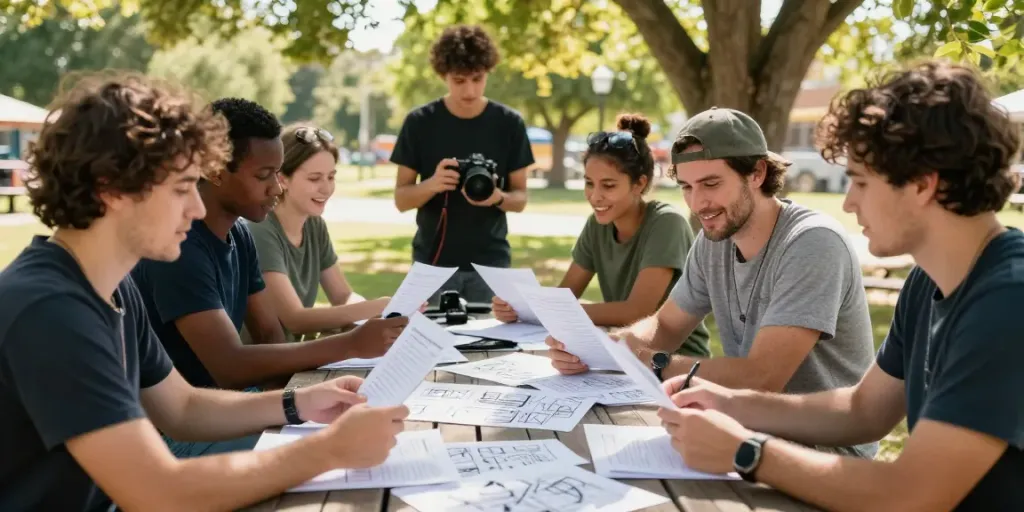
Filmmaking is inherently collaborative. Working closely with a diverse team can lead to richer outcomes. Creative collaboration can enhance the "try here" philosophy, as different perspectives bring new ideas into play. It's vital to communicate effectively and value each team member's input, as this can lead to innovative solutions that enhance the overall product.
Best Practices for Filmmakers to "Try Here" Effectively
Implementing a structured approach to experimentation can significantly improve a filmmaker's ability to "try here." Focusing on best practices creates a supportive environment that encourages creativity.
Creating an Experimental Filmmaking Process
Establishing a clear process for experimentation can help filmmakers manage their projects effectively. This might include:
- Setting Clear Goals: Define what you hope to achieve with your experimental project.
- Prototyping: Create small-scale versions of your work to test ideas before fully developing them.
- Reviewing and Iterating: Gather feedback during the process and be prepared to adapt your approach based on insights.
Utilizing Feedback for Growth and Improvement
Feedback is crucial in refining a filmmaker's vision. Engaging with mentors, peers, and audiences can provide valuable insights into what resonates and what doesn't. Filmmakers should welcome constructive criticism and use it to enhance their projects. By creating a culture of feedback, creators can better navigate the inevitable challenges that come with "trying here."
Case Studies: Filmmakers Who Succeeded by Trying Here
Numerous filmmakers have made a mark by embracing the "try here" mentality. Directors like Quentin Tarantino and Greta Gerwig have garnered acclaim for their innovative storytelling techniques. Tarantino often blends genres and plays with time narratives, while Gerwig's unique take on coming-of-age stories has resonated with a broad audience. Their willingness to experiment has not only enriched their films but has influenced a generation of filmmakers to explore their creativity.
Future Trends in Filmmaking for 2026 and Beyond
As the film industry evolves, new trends will emerge that will shape how filmmakers approach storytelling and production. Understanding these trends will be essential for those wishing to stay at the forefront of the industry.
Emerging Technologies Impacting the Film Industry
Innovations in technology are transforming how films are made and distributed. Key trends include:
- Virtual Reality (VR): Filmmakers are increasingly exploring VR as a medium for storytelling, offering immersive experiences that traditional films cannot.
- Artificial Intelligence (AI): AI is playing a significant role in editing, scriptwriting, and audience analysis, allowing for more tailored content.
- Streaming Services: The rise of streaming platforms is changing distribution models, enabling filmmakers to reach global audiences quickly.
Shifting Audience Preferences and Trends
Understanding audience preferences is critical for filmmakers. Today's viewers are looking for authentic, relatable narratives that resonate on a personal level. Filmmakers should consider incorporating diverse perspectives and addressing contemporary social issues to engage audiences effectively.
Preparing for Changes in Distribution and Viewing Platforms
With the landscape of film distribution in constant flux, filmmakers must stay adaptable. Embracing new platforms and hybrid release strategies can enhance visibility and audience reach. The future may also bring a greater focus on interactive storytelling, which engages viewers in unique ways.
Frequently Asked Questions About Filmmaking
What are the key elements of successful filmmaking?
Successful filmmaking hinges on a compelling story, strong character development, technical proficiency, and effective collaboration. Filmmakers should also stay attuned to audience preferences and industry trends to maximize their impact.
How can inexperienced filmmakers start trying here effectively?
Inexperienced filmmakers can begin by experimenting with short films or personal projects that allow room for creative risk-taking. Leveraging local resources, such as film schools or community workshops, can also provide valuable support and guidance.
What tools and equipment are essential for beginner filmmakers?
Beginners should invest in a good quality camera, sound equipment, and basic editing software. As they gain experience, they can expand their toolkit to include lighting and advanced editing tools.
How can filmmakers measure the success of their experimental projects?
Success can be measured through audience engagement metrics, such as view counts and social media interactions. Critical feedback from peers and industry professionals can also provide valuable insights into the project's impact.
What resources are available for aspiring filmmakers to learn more?
Numerous online platforms, workshops, and film communities offer resources for aspiring filmmakers. For comprehensive insights on various filmmaking techniques, try here to explore articles and guides tailored to enhance your skills.