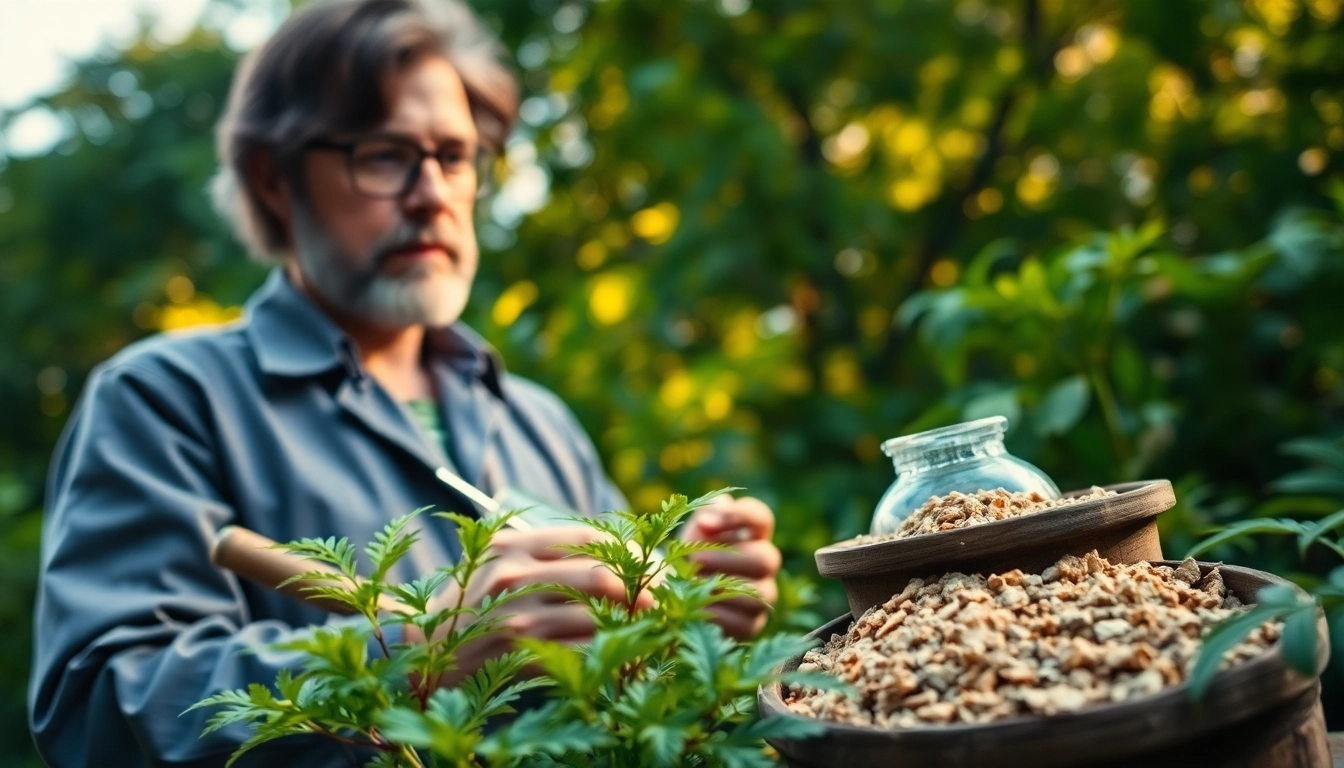
Introduction to DMT and Its Sources
DMT, or N,N-Dimethyltryptamine, is a powerful hallucinogenic compound that fascinates many for its unique effects and psychoactive properties. Known for inducing intense visual hallucinatory experiences, DMT has piqued the interest of researchers, psychonauts, and spiritual seekers alike. One of the most frequently asked questions is how to get dmt. In this article, we’ll explore what DMT is, its natural sources, methods for extraction, legal considerations, and the overall experience of using this intriguing substance.
What is DMT?
DMT is a serotonergic hallucinogen that occurs naturally in certain plants and can also be synthesized in laboratory settings. Structurally, it's similar to other psychedelics like psilocybin and LSD, yet it is unique due to the brevity and intensity of its effects. Upon ingestion or inhalation, users often report profound disturbances in perception, time, and reality, often referred to as “the DMT experience.” The substance plays a notable role in many spiritual traditions and is touted for its potential therapeutic applications in the field of mental health.
Naturally Occurring Sources of DMT
DMT is found in various species of plants, making it accessible to those interested in its psychoactive effects. Some prominent natural sources include:
- Mimosa hostilis: The root bark of this plant is one of the most commonly used sources for DMT extraction.
- Psychotria viridis: Often utilized in traditional ayahuasca brews, this plant contains high levels of DMT.
- Diplopterys cabrerana: Another plant known for its DMT content, frequently used in South American shamanic practices.
These plants are integral to the historical and cultural contexts in which DMT has been employed, particularly in South America.
History and Cultural Significance of DMT
DMT's history is deeply intertwined with indigenous cultures, particularly in the Amazon basin where it has been utilized ceremonially for centuries. In these cultures, DMT is often consumed in the form of ayahuasca, a potent brew that combines DMT-containing plants with MAO inhibitors to prolong its effects. These rituals are believed to aid in spiritual healing, self-exploration, and connection with the divine. The reviving interest in psychedelics in Western societies has led to a broader appreciation and research into the potential uses of DMT in therapy and mental health.
Methods for Extracting DMT
For those interested in how to obtain DMT for personal use or research, understanding the extraction methods is crucial. There are various techniques, which can be classified into chemical extraction and botanical preparation methods.
Chemical Extraction Techniques
DMT can be extracted chemically through processes such as:
- Acid-Base Extraction: This method involves using acidic and basic solvents to separate DMT from the plant material.
- Solvent Extraction: In this process, solvents such as ethanol or naphtha are used to dissolve DMT, separating it from other plant compounds.
- Steam Distillation: This less common method employs steam to extract essential oils containing DMT, although it is less efficient.
Each of these methods comes with its own set of challenges, risks, and specific safety precautions that must be adhered to.
Botanical Preparation Steps
For those opting for botanical methods, the preparation typically includes:
- Harvesting: Identifying and harvesting the appropriate plant material, such as the root bark of Mimosa hostilis.
- Drying: Properly drying the plant material to facilitate extraction.
- Grinding: Reducing the material to a fine powder enhances the extraction efficiency.
- Extraction: Applying one of the extraction methods (like acid-base) to isolate the DMT.
Safety Precautions During Extraction
Safety cannot be overstated when extracting DMT. Users should ensure they are wearing protective gear, working in a well-ventilated area, and utilizing safe disposal methods for any chemical waste. The extraction process can expose individuals to toxic substances, and handling them improperly can lead to harmful consequences.
Legal Considerations Surrounding DMT
The legality of DMT varies by country and region, making it imperative for anyone interested in obtaining DMT to understand applicable laws.
Understanding the Legal Status of DMT
In many places, DMT is classified as a Schedule I drug, indicating it is illegal to manufacture, distribute, or possess it. However, certain jurisdictions may have specific exemptions for religious use, especially in the context of ayahuasca ceremonies.
International Variations in DMT Legislation
Some countries have more lenient regulations surrounding the use of DMT, particularly where traditional practices are concerned. Nations that recognize the medicinal and cultural benefits of ayahuasca may grant specific legal rights to indigenous people for the use of DMT in spiritual contexts.
Potential Legal Risks and Consequences
Engaging with DMT outside of legal frameworks can result in severe legal repercussions, including fines, imprisonment, or a criminal record. Individuals must ensure they are informed and compliant with local laws regarding substance use.
The DMT Experience
A DMT experience is often characterized by its vivid, transformative, and often indescribable nature. Users report a broad spectrum of experiences that can be insightful, frightening, or euphoric.
What to Expect During a DMT Journey
The effects of DMT can vary widely, but many users describe an almost instantaneous onset of effects, which can last from 15 to 60 minutes when smoked or vaporized. During this time, users may experience intense visual hallucinations, a profound sense of connection to the universe, and deeply personal insights.
Benefits and Risks of Using DMT
The potential benefits of using DMT can include breakthroughs in personal insights, a deeper connection to spirituality, and therapeutic effects for certain mental health conditions. However, the risks involve intense psychological experiences that can lead to confusion or anxiety, especially for those with a predisposed mental health condition.
Handling Altered States of Consciousness Safely
Using DMT requires careful consideration of the setting and mental state of the user. It is advisable to have a sober sitter present during the experience, as they can offer support and ensure a safe environment. Proper preparation and integration sessions can also enhance the overall experience, allowing for therapeutic and personal growth.
Frequently Asked Questions about DMT
1. Is DMT safe to use?
DMT can induce intense hallucinations, and its safety varies by individual. Mental health conditions and environment play significant roles.
2. How is DMT typically consumed?
DMT is often smoked, vaporized, or consumed in brews like ayahuasca. The method of consumption affects the experience duration.
3. What are natural sources of DMT?
Natural DMT sources include plants like Mimosa hostilis, Psychotria viridis, and Diplopterys cabrerana, widely used in rituals.
4. Can DMT be synthesized?
Yes, DMT can be synthesized via chemical processes in labs, but legality varies significantly depending on jurisdiction.
5. What are the effects of DMT?
DMT induces powerful visual hallucinations and deep shifts in thought perception, often described as life-changing by users.