Understanding Leak Detection: An Overview
Leak detection is an essential service in maintaining the integrity of plumbing systems and safeguarding homes from potential water damage, high bills, and structural issues. In recent years, advancements in technology have improved the accuracy and efficiency of identifying leaks, making it easier for homeowners to address issues before they escalate. When exploring options, Leak detection methods have become integral for both preventative maintenance and emergency repairs, ensuring that homes remain safe and dry.
What is Leak Detection?
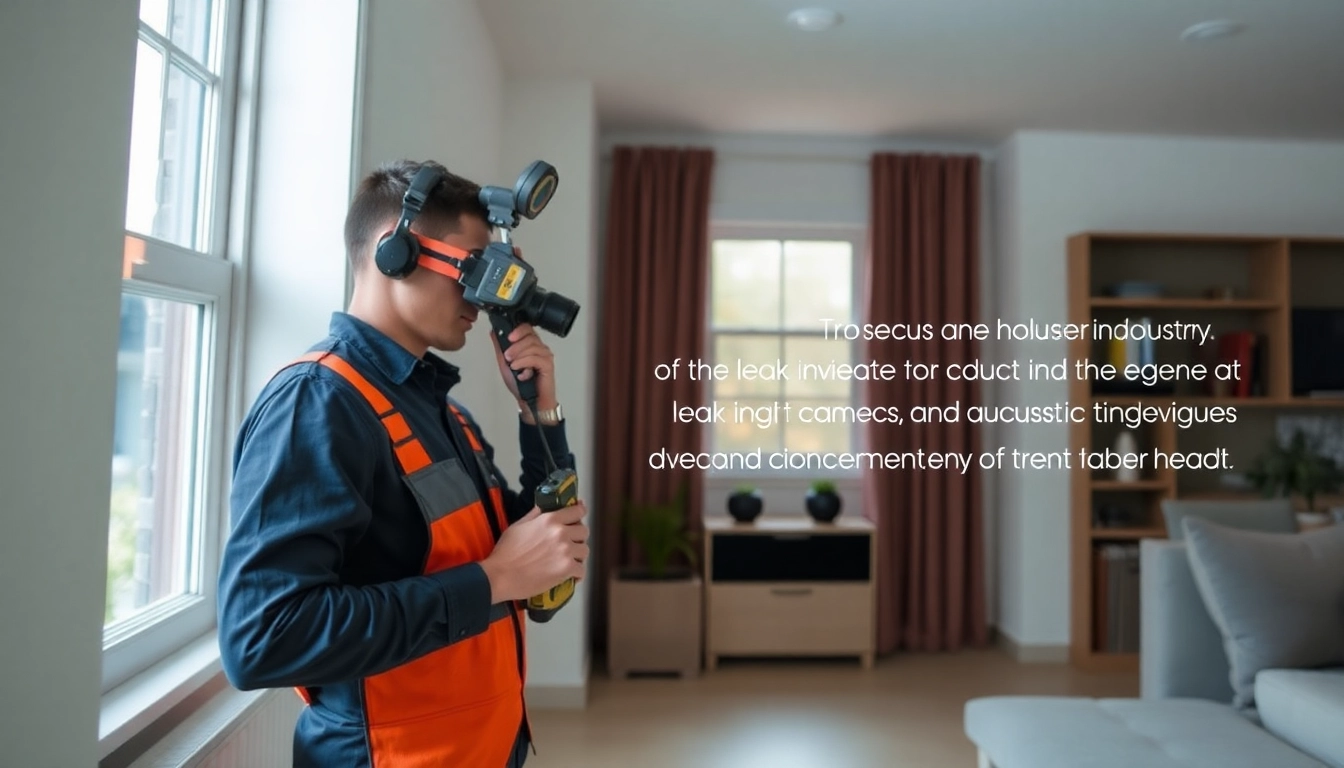
Leak detection refers to various processes and techniques aimed at identifying, locating, and quantifying leaks in plumbing systems. These leaks can arise from various sources including underground pipes, water mains, heating systems, and gas lines. The ultimate goal of leak detection is not only to find the source of the leak but also to mitigate any potential damage associated with it. Industry professionals utilize a range of advanced technologies to efficiently assess systems.
The Importance of Accurate Leak Detection
Accurate leak detection is crucial for several reasons:
- Preventing Damage: Even small leaks can lead to significant water damage over time, resulting in costly repairs and potential health hazards such as mold growth.
- Saving Money: Identifying and repairing leaks promptly can help reduce high water bills and prevent the financial burden of extensive damage.
- Preserving Structural Integrity: Unaddressed leaks can compromise the foundation of a home, causing structural issues that may endanger its safety.
Common Types of Leak Detection Technologies
There are several types of leak detection technologies available, each designed to tackle specific types of leaks:
- Acoustic Sensors: These devices listen for the sound of escaping water or gas, identifying leaks even through concrete or soil.
- Thermal Imaging: This technology detects temperature variations that indicate water leaks, allowing technicians to locate issues without invasive measures.
- Tracer Gas Detection: A safe gas is injected into pipes and can be traced back to the leak point, especially useful for hard-to-reach areas.
- Moisture Mapping: This tech assesses areas for water damage and can help visualize the extent and source of moisture intrusion.
Identifying Leak Types in Domestic Properties
Water Leak Detection: Key Indicators
Water leaks in domestic properties can manifest in various ways. Homeowners should be vigilant for signs such as:
- Increased water bills without an explanation.
- Visible water stains on ceilings or walls.
- Mold growth in damp areas.
- The sound of running water when the taps are turned off.
If these indicators are present, it is advisable to seek professional leak detection services to prevent further issues.
Gas Leak Detection and Safety Precautions
Gas leaks pose serious safety hazards, including the risk of fire or explosion. Signs of a gas leak include:
- Foul odors (often reminiscent of rotten eggs).
- Hissing sounds near gas lines or appliances.
- Unexplained respiratory issues or headaches.
In case of suspicion of a gas leak, immediate action should be taken to evacuate the area and contact professionals who are trained to handle such emergencies safely.
Heating System Leak Identification Techniques
Leaks in heating systems can lead to inefficiencies and damage. Indicators of heating system leaks might include:
- Cold spots in rooms serviced by the heating system.
- Increased energy bills despite consistent thermostat settings.
- Visible puddles around boilers or radiators.
Leak detection techniques for heating systems often involve pressure testing and thermal imaging to locate hidden leaks that could develop into larger issues.
Non-Invasive Leak Detection Methods
Benefits of Non-Invasive Techniques
Non-invasive leak detection methods minimize disruption to your home while providing accurate results. The primary benefits include:
- Reduced Damage: These methods do not require drilling or extensive renovations, preserving the existing structures of your home.
- Faster Results: Non-invasive techniques typically yield quick results, allowing for quicker repairs.
- Cost-Effectiveness: By avoiding significant repair work, homeowners can save on costs associated with restoring disrupted areas.
Tools Used in Non-Invasive Leak Detection
Several specialized tools are utilized in non-invasive leak detection, including:
- Acoustic Listening Devices: Used to detect sounds of leaking water or gas within walls and underground.
- Thermal Imaging Cameras: Used to identify temperature fluctuations that indicate hidden leaks.
- Moisture Meters: These measure moisture content in building materials to detect water intrusion.
Case Studies: Successful Non-Invasive Leak Detections
Numerous success stories illustrate the effectiveness of non-invasive leak detection methods. For instance, a homeowner in a large residential complex reported increasing water bills and damp odors. Utilizing thermal imaging, technicians successfully pinpointed leaks behind wall structures without causing any damage, allowing for targeted repairs that preserved the integrity of the home.
Cost Considerations for Leak Detection Services
Understanding Leak Detection Pricing
The cost of leak detection services can vary based on several factors:
- Type of leak being investigated.
- Size and complexity of the property.
- Technology used for detection.
On average, homeowners can expect to pay between $150 and $600 for professional leak detection services. Investing in early leak detection can save significant repair costs down the line.
Long-term Savings Through Early Leak Detection
Detecting leaks early can substantially reduce future expenses associated with water damage repairs and increased utility costs. Preventive measures not only save money but also preserve property value, making early intervention a wise financial decision.
Insurance and Leak Detection Coverage
Many homeowners' insurance policies cover leak detection and repairs, provided that homeowners act swiftly in reporting issues. Understanding your policy's terms can help mitigate costs associated with leaks. It's advisable to review coverage details and maintain open communication with your insurance provider regarding any leak-related issues.
The Future of Leak Detection: Trends to Watch in 2025
Emerging Technologies in Leak Detection
The field of leak detection is rapidly evolving, with trends pointing towards increased automation and the use of artificial intelligence. Predictive analytics may allow professionals to anticipate potential leak problems before they occur, optimizing maintenance schedules and reducing emergency interventions.
Predicted Changes in Consumer Needs and Expectations
As awareness of environmental sustainability grows, consumers are likely to seek services that not only detect leaks but also provide solutions that minimize waste and resource use. The demand for transparent, eco-friendly services will shape the future of the leak detection industry.
How to Prepare for Future Leak Detection Challenges
Homeowners can prepare for future challenges by investing in regular inspections and utilizing advanced leak detection technologies. Additionally, understanding the nuances of plumbing systems and being vigilant about water usage can help mitigate issues before they become significant problems.