Efficient WEEE Recycling in Reading: A Comprehensive Guide
Understanding WEEE Recycling in Reading
As technological advancements accelerate, the need for responsible disposal and recycling of electronic waste becomes increasingly crucial. Waste Electrical and Electronic Equipment (WEEE) refers to disposed of electrical or electronic devices that no longer serve their intended purpose. This category encompasses a vast range of items—from household appliances to IT equipment. Understanding the intricacies of weee recycling reading is vital not just for environmental sustainability, but also for compliance with regulations designed to protect both health and nature.
What is WEEE?
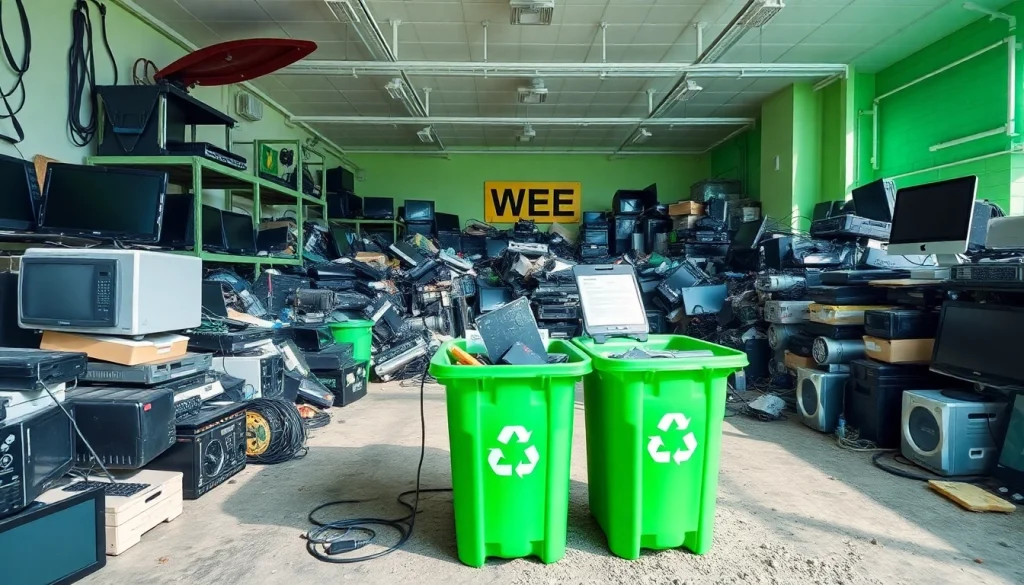
WEEE stands for Waste Electrical and Electronic Equipment. These are products that are broken or no longer needed, and they include everything from televisions and computers to kitchen appliances. The disposal of WEEE is subject to strict regulations because e-waste often contains hazardous materials such as lead, cadmium, and mercury. Proper recycling ensures that these substances do not harm the environment or human health.
The Importance of Recycling Electronics
Recycling electronics is essential for several reasons:
- Environmental Protection: Dumped electronics can release toxins into soil and water, impacting ecosystems.
- Resource Conservation: Electronics contain valuable materials like gold, silver, and rare metals which can be recovered and reused.
- Energy Conservation: Reprocessing metals and components from recycled electronics consumes less energy than primary production.
- Compliance: Adhering to regulations governing e-waste minimizes legal risks for individuals and businesses.
Overview of WEEE Regulations
In the UK, the WEEE Directive mandates that producers and sellers of electrical and electronic equipment are responsible for their waste. This includes providing options for consumers to return old items for recycling. The regulations aim to reduce the amount of e-waste that ends up in landfills, promote the recycling of valuable materials, and ensure that hazardous substances are managed safely.
How to Participate in WEEE Recycling in Reading
Participating in WEEE recycling in Reading is a straightforward process that involves several options for disposal and recycling of electronic waste. Whether you are a household or a business, there are various avenues available to manage your e-waste responsibly.
Drop-off Locations and Services
Reading has established numerous drop-off points where residents and businesses can take their electronic waste for recycling. Local recycling centers often accept a broad range of items, including:
- Small household appliances
- Computers and peripherals
- Televisions and monitors
- Mobile phones and tablets
Check with the Reading Borough Council for the latest list of drop-off locations and any specific disposal guidelines. Regular checks will ensure compliance with any changes in regulations or services.
Scheduling a Collection for Businesses
Businesses in Reading can schedule collections for WEEE that may be too large or numerous to transport to a drop-off site. Several local services cater specifically to commercial entities, providing tailored solutions for e-waste management. Companies must comply with the WEEE regulations that require them to handle their waste responsibly.
Community Recycling Initiatives
Community initiatives play a pivotal role in promoting awareness and participation in WEEE recycling. Various local organizations and environmental groups may host special recycling events, campaigns, or educational workshops to inform residents about the importance and methods of recycling electronics. Engaging with such initiatives can increase participation levels and foster a sense of community responsibility.
Challenges in WEEE Recycling
Despite the availability of services and resources, several challenges hinder effective WEEE recycling. Understanding these barriers is crucial for enhancing participation and efficacy in waste management.
Common Barriers to Participation
One of the primary barriers to effective WEEE recycling is awareness. Many individuals may not know what e-waste includes or where to dispose of it properly. Additionally, misinformation regarding the convenience and costs of recycling can deter participation.
Handling Hazardous Materials Safely
Improper handling and disposal of hazardous materials found in e-waste pose significant risks. These materials often require specialized processing to prevent environmental contamination. Collection and recycling services must ensure safe handling protocols to overcome this challenge and minimize risks.
Addressing Misconceptions about E-waste
There are numerous misconceptions regarding e-waste; for instance, some may believe that recycling costs are exorbitant or that it isn’t necessary. Effective communication strategies can address these misconceptions and facilitate higher rates of participation in responsible recycling practices.
Best Practices for WEEE Recycling
Adopting best practices for WEEE recycling can optimize the process and enhance its effectiveness. Below are key strategies for individuals and businesses alike.
Preparation of Electronics for Recycling
Preparing electronics for recycling involves several steps:
- Ensure all personal data is erased from devices before disposal.
- Remove non-electronic parts, such as batteries, if possible.
- Check the service provider’s guidelines for specific preparation instructions.
Choosing Responsible Recycling Services
Selecting certified and responsible recycling services is paramount. Look for companies that are compliant with the WEEE regulations and have transparent processes regarding the recycling of your electronic waste. Certification guarantees that your e-waste will be disposed of in an environmentally friendly manner.
Promoting Recycling Awareness in the Community
Community involvement is crucial for successful WEEE recycling efforts. Engaging in local events, sharing information via social media, and working with schools can help promote the importance of electronic recycling and foster a culture of sustainability.
Future of WEEE Recycling in Reading
The future of WEEE recycling in Reading looks promising, driven by technological advancements and changing regulations aimed at improving sustainability practices.
Innovations in Recycling Technology
Emerging recycling technologies are set to revolutionize the way we process electronic waste. Solutions such as automated sorting systems and advanced shredders are enhancing the efficiency and effectiveness of recycling processes. This technology can lead to higher recovery rates of valuable materials and less waste sent to landfills.
Long-term Environmental Benefits
By committing to responsible WEEE recycling, Reading can significantly reduce its ecological footprint. This commitment contributes to global efforts in combating climate change and preserving natural resources for future generations. The impact is profound—sustainable practices can result in cleaner air, water, and soil.
Government Support and Incentives
Support from local governments is pivotal in enhancing WEEE recycling practices. Initiatives that provide incentives for recycling or penalties for improper disposal can motivate both residents and businesses to participate actively in responsible waste management.
Frequently Asked Questions
What does WEEE stand for in recycling?
WEEE stands for Waste Electrical and Electronic Equipment, referring to discarded electrical and electronic devices.
Is WEEE recycling free?
Yes, recycling WEEE items at designated drop-off points is generally free of charge for households.
How can I recycle WEEE waste?
You can recycle WEEE waste by dropping it off at local recycling centers or contacting services that offer scheduled collections.
What items are considered WEEE?
WEEE includes a variety of electronics and electrical items, such as televisions, computers, appliances, and mobile devices.
Are there any penalties for improper disposal of e-waste?
Yes, improper disposal of e-waste can result in fines and penalties as per local regulations aimed at promoting responsible waste management.